3152 Peregrine Drive NE Suite 200 Grand Rapids, MI 49525

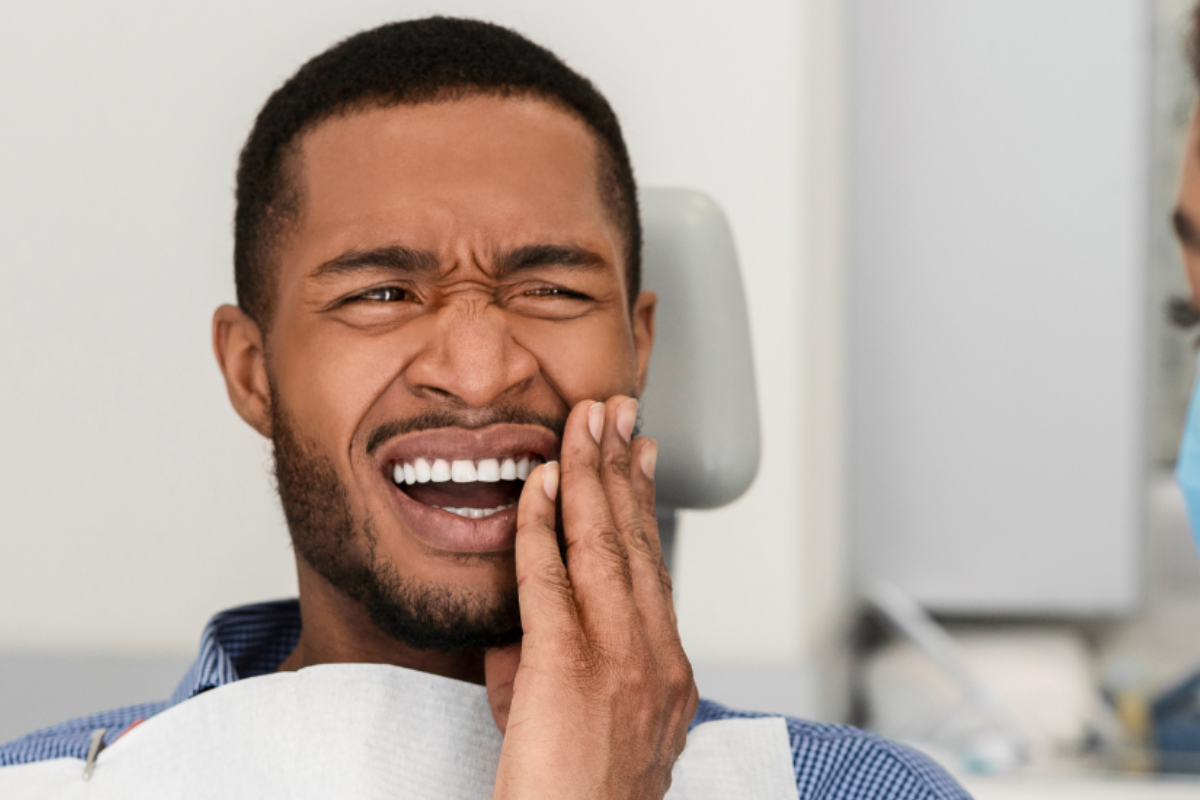
Dental emergencies rarely happen when it’s convenient. A sudden toothache, a chipped tooth during dinner, or a knocked-out tooth while playing sports can leave you wondering what to do next. While some dental concerns can wait for a scheduled appointment, others require prompt attention to relieve pain and protect your oral health.
Knowing when to visit an emergency dentist in Grand Rapids can make a significant difference in preserving your teeth and preventing more extensive treatment. Acting quickly often improves treatment outcomes and helps you return to your daily routine sooner.
At Knapp Dental Lodge, we provide compassionate emergency dental care for patients throughout Grand Rapids, East Grand Rapids, Ada, Cascade, Kentwood, Walker, Wyoming, Rockford, and surrounding West Michigan communities. Our goal is to diagnose the problem promptly, relieve discomfort, and restore your oral health as efficiently as possible.
What Is Considered a Dental Emergency?
Not every dental problem requires immediate care, but certain situations should never be ignored. Dental emergencies often involve significant pain, trauma, infection, or damage that could worsen without treatment.
Common dental emergencies include:
- Severe toothaches
- Knocked-out teeth
- Chipped or broken teeth
- Cracked teeth
- Lost fillings or crowns
- Dental abscesses
- Swollen gums or face
- Broken dentures affecting function
- Injuries to the mouth or soft tissues
If you’re unsure whether your situation is an emergency, it’s always a good idea to contact your dental office for guidance.
Signs You Should See an Emergency Dentist Immediately
Some symptoms indicate that you should seek professional dental care as soon as possible.
These include:
Persistent Tooth Pain
A toothache that lasts for several hours or worsens over time may signal deep decay, infection, or damage inside the tooth.
Swelling Around the Tooth or Jaw
Swelling may indicate an infection that requires prompt treatment to prevent it from spreading.
A Knocked-Out Tooth
A knocked-out permanent tooth has the greatest chance of being saved if treated quickly. Handle the tooth carefully by the crown, avoid touching the root, and keep it moist while traveling to your dental appointment.
Cracked or Broken Teeth
Even small fractures can expose the inner layers of the tooth, increasing the risk of infection or additional damage.
Uncontrolled Bleeding
Bleeding following trauma that doesn’t stop after applying gentle pressure should be evaluated immediately.
Common Causes of Dental Emergencies
Dental emergencies happen for many reasons.
Some of the most common include:
- Sports injuries
- Falls and accidents
- Biting hard foods
- Untreated cavities
- Teeth grinding
- Worn dental restorations
- Gum infections
- Vehicle accidents
While some emergencies cannot be prevented, routine dental care can reduce the risk of many serious dental problems.
What to Do Before You Reach the Dentist
Knowing how to respond can help minimize damage before you arrive for treatment.
For a Toothache
- Rinse with warm water.
- Gently floss around the tooth.
- Avoid placing aspirin directly on the gums.
- Apply a cold compress if swelling develops.
For a Knocked-Out Tooth
- Pick up the tooth by the crown.
- Rinse gently if dirty.
- Do not scrub the root.
- Place the tooth in milk or saliva if possible.
- Seek dental care immediately.
For a Broken Tooth
- Save any broken pieces.
- Rinse your mouth with warm water.
- Apply a cold compress to reduce swelling.
- Avoid chewing on the injured side.
For a Lost Crown
Keep the crown if possible and schedule an appointment promptly to protect the exposed tooth.
Why Prompt Treatment Matters
Waiting to treat a dental emergency may lead to additional complications.
Prompt treatment can:
- Relieve pain sooner
- Reduce infection risk
- Save damaged teeth
- Prevent more extensive procedures
- Restore normal chewing
- Protect surrounding teeth and gums
The earlier an emergency is evaluated, the more treatment options are often available.
How Emergency Dentists Diagnose the Problem
During your visit, your dentist will:
- Review your symptoms
- Examine the affected tooth
- Evaluate surrounding gums
- Take digital X-rays if needed
- Identify the underlying cause
- Explain available treatment options
Every emergency is different, so treatment is based on your specific diagnosis.
Emergency Dental Treatments
Depending on your situation, treatment may include:
- Tooth-colored fillings
- Dental crowns
- Root canal therapy
- Tooth extraction
- Temporary restorations
- Antibiotics for infection
- Drainage of abscesses
- Repair of chipped or fractured teeth
Your dentist’s first priority is relieving pain while protecting your long-term oral health.
Can Dental Emergencies Be Prevented?
Although accidents can happen unexpectedly, many emergencies are preventable.
You can reduce your risk by:
- Visiting your dentist regularly
- Treating cavities early
- Wearing a sports mouthguard
- Avoiding chewing ice or hard objects
- Wearing a nightguard if you grind your teeth
- Practicing good oral hygiene every day
Preventive care remains one of the most effective ways to avoid emergency dental visits.
Why Choose Knapp Dental Lodge for Emergency Dental Care?
When you’re experiencing severe tooth pain or a dental injury, finding prompt, compassionate care matters. Patients searching for an emergency dentist Grand Rapids trust deserve a team that responds quickly and clearly explains every step of treatment.
At Knapp Dental Lodge, we understand that dental emergencies can be stressful. Our team focuses on providing timely evaluations, relieving discomfort, and restoring your smile using modern diagnostic technology and personalized treatment planning.
We proudly serve patients from:
- Grand Rapids
- East Grand Rapids
- Ada
- Cascade
- Kentwood
- Walker
- Wyoming
- Rockford
- Nearby West Michigan communities
Whether you’ve broken a tooth, lost a restoration, or developed sudden pain, we’re here to help you receive the care you need.
Frequently Asked Questions
What qualifies as a dental emergency?
Severe tooth pain, swelling, infections, knocked-out teeth, broken teeth, and uncontrolled bleeding are among the most common dental emergencies that require prompt evaluation.
Can a knocked-out tooth be saved?
In many cases, yes. Receiving treatment as quickly as possible significantly improves the chances of successfully saving the tooth.
Should I visit the emergency room for a toothache?
Most toothaches are best treated by a dentist. However, if you experience severe facial swelling, difficulty breathing, or uncontrolled bleeding, seek emergency medical care immediately.
What should I do if my dental crown falls off?
Keep the crown if possible and contact your dentist promptly. Leaving the tooth uncovered may increase sensitivity or lead to additional damage.
How can I reduce my risk of dental emergencies?
Routine dental checkups, wearing protective mouthguards, maintaining good oral hygiene, and treating dental problems early all help lower the risk of unexpected emergencies.
Get Prompt Care from an Emergency Dentist in Grand Rapids
Dental emergencies can happen without warning, but knowing where to turn can make all the difference. Quick treatment helps relieve discomfort, protect your teeth, and reduce the risk of more extensive procedures.
If you need an emergency dentist in Grand Rapids, the caring team at Knapp Dental Lodge is here to provide prompt, compassionate care when you need it most. Contact our office as soon as possible to schedule an emergency appointment and get the treatment you need to restore your comfort and protect your smile.