3152 Peregrine Drive NE Suite 200 Grand Rapids, MI 49525

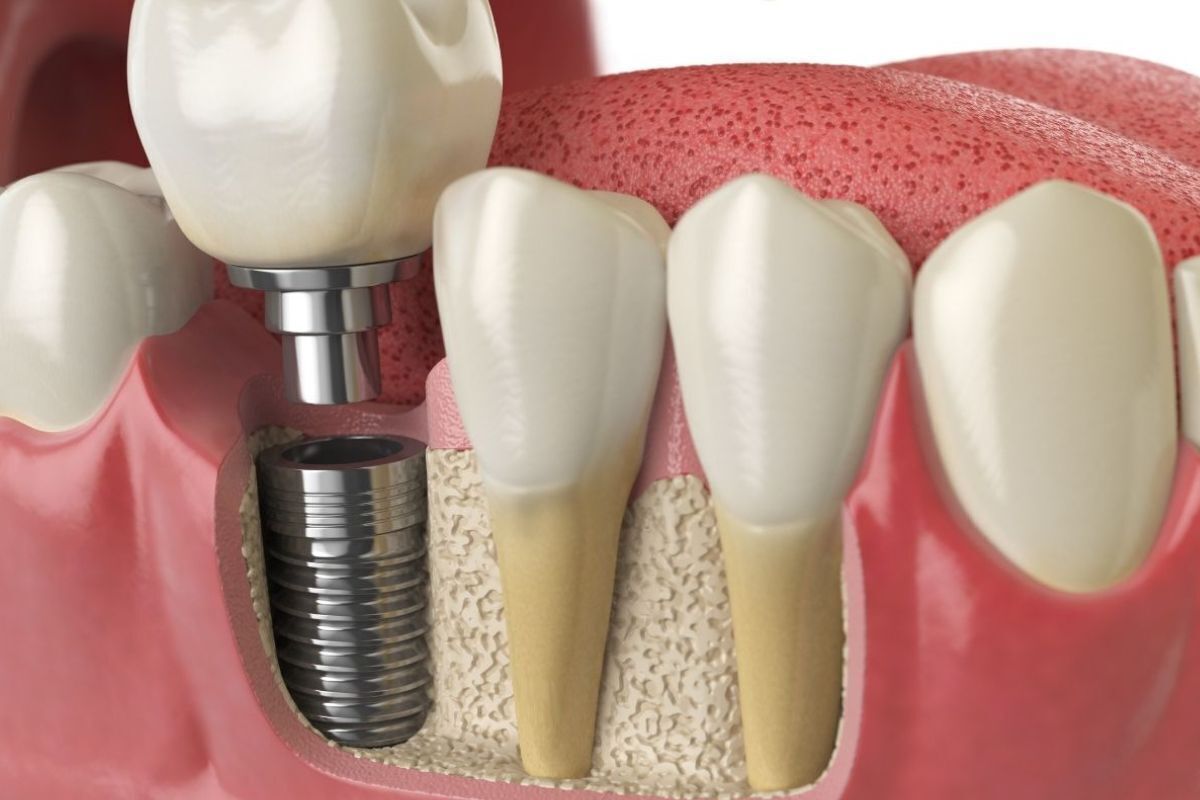
A dental implant replaces the root portion of a missing tooth, but the restoration placed on top is what gives the finished tooth its visible shape and function. That restoration is commonly called an implant crown when a single missing tooth is being replaced.
If you’ve received or are considering implant crowns in Grand Rapids, understanding how to care for the restoration can help you protect your investment and maintain a healthy mouth.
What Is an Implant Crown?
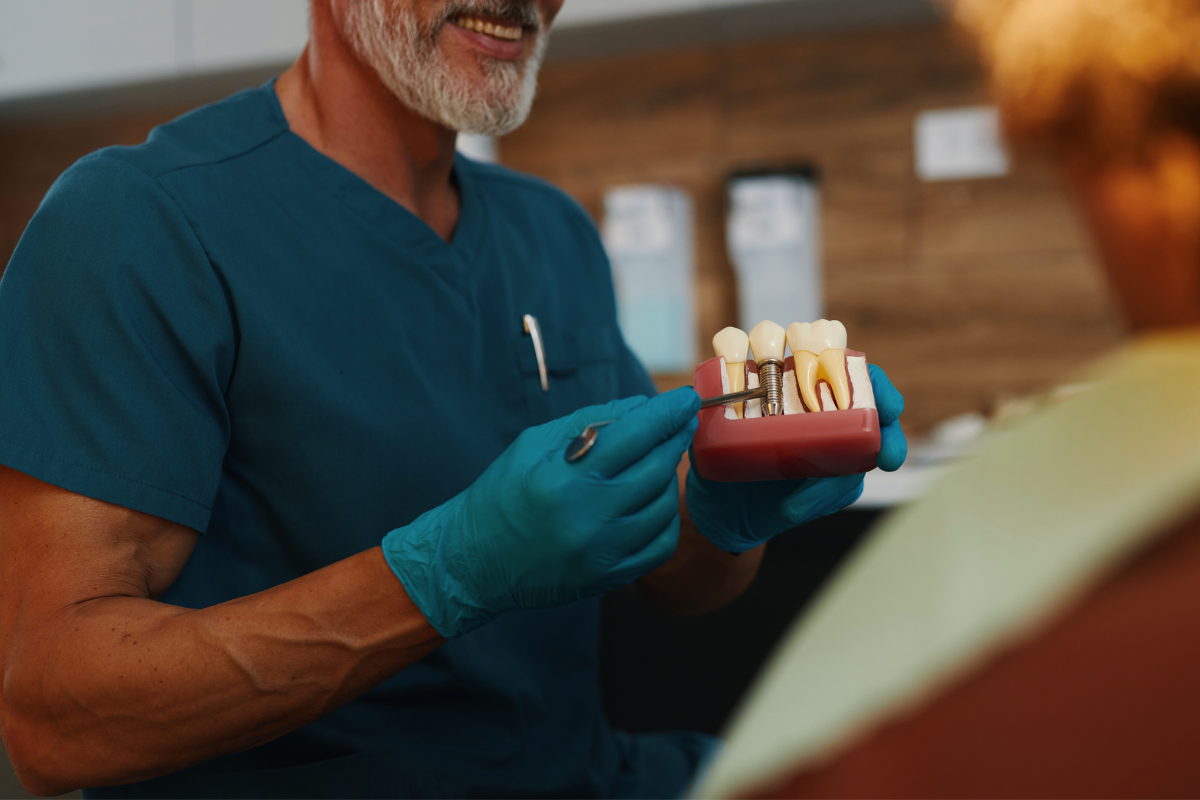
A dental implant has three basic components: the implant itself, an abutment, and the crown.
The implant is positioned in the jawbone and serves as an artificial tooth root. Once the implant has integrated with the surrounding bone and the restoration is ready, an abutment connects the implant to the crown.
The crown is the portion that resembles the visible part of a natural tooth.
Because an implant crown is supported differently from a natural tooth, maintaining the surrounding gums and bone is especially important.
Keep the Area Clean
One of the most important things you can do after receiving an implant crown is maintain excellent oral hygiene.
Food particles and bacterial buildup can collect around the restoration and gumline. While an implant itself cannot develop a traditional cavity, the tissues surrounding it can still become inflamed or infected.
Your daily routine should include:
- Brushing twice a day
- Cleaning around the gumline carefully
- Flossing or using an interdental cleaning method recommended by your dentist
- Attending routine dental examinations
- Following any personalized implant-care instructions
Don’t assume that an implant crown doesn’t need the same attention as a natural tooth.
Pay Attention to the Gums Around the Implant
Healthy gums around an implant should not routinely be swollen, painful, or bleeding.
Changes around an implant crown deserve attention, particularly if they persist.
Contact your dental office if you notice:
- Persistent gum swelling
- Bleeding around the implant
- Pain or tenderness
- A change in how the crown fits
- A loose-feeling restoration
- Difficulty chewing
- Unusual movement
A problem doesn’t necessarily mean the implant has failed. Sometimes the issue involves the crown, abutment, bite, or surrounding tissue and can be addressed when caught early.
Don’t Ignore a Loose Implant Crown
A crown that feels loose is a reason to contact your dentist.
Don’t try to repair or permanently reattach it yourself. Continuing to chew normally on a loose restoration can potentially make the situation worse.
Your dentist can determine whether the crown, abutment, or implant requires attention.
Getting professional evaluation promptly is generally better than waiting until discomfort develops.
Be Smart About Hard Foods
Implant crowns are designed for normal chewing, but that doesn’t mean they’re indestructible.
Avoid using your teeth as tools or routinely biting extremely hard objects. Habits such as chewing ice or opening packages with your teeth can place unnecessary stress on dental restorations.
If you grind or clench your teeth, mention it to your dentist. Excessive bite forces can affect both natural teeth and dental restorations.
A nightguard may be recommended in some situations.
Routine Dental Visits Still Matter
Receiving an implant crown doesn’t mean you’re finished with dental care.
Regular appointments allow your dental team to monitor your oral health and evaluate the tissues around the implant. Your dentist can also check the condition and function of the restoration.
Professional cleanings can help remove buildup that is difficult to manage at home.
The exact frequency of visits depends on your individual oral health and risk factors.
How Long Can an Implant Crown Last?
There isn’t a single expiration date for every implant crown.
The longevity of a restoration depends on factors such as oral hygiene, bite forces, material, lifestyle habits, general oral health, and professional maintenance.
The implant itself and the crown are also different components, so they should not be treated as though they have identical lifespans.
Good daily care and regular professional monitoring can help maximize the useful life of your restoration.
What If Your Implant Crown Looks Different From Your Other Teeth?
Modern dental restorations can be designed to blend with surrounding teeth in shape and color.
However, natural teeth can change over time. Whitening, staining, wear, and other changes can affect how your natural teeth compare with an existing crown.
If you’re considering cosmetic whitening after receiving an implant crown, discuss the timing with your dentist first. Whitening affects natural tooth structure but does not lighten an existing crown in the same way.
Planning cosmetic treatment around your restoration can help maintain a more consistent appearance.
Protect Your Investment
An implant crown is more than a cosmetic replacement. It is part of a larger restorative treatment designed to help restore the appearance and function of a missing tooth.
Protecting the result means protecting the tissues around the implant, maintaining good oral hygiene, addressing problems promptly, and keeping up with dental care.
Knapp Dental Lodge provides restorative dental care in Grand Rapids, including crowns and dental implants.
Final Thoughts
If you’re researching implant crowns in Grand Rapids, don’t stop at understanding the procedure itself. Knowing how to maintain the restoration is an important part of long-term implant care.
Brush and clean around the implant consistently, avoid damaging habits, attend recommended dental visits, and contact your dentist if something changes.
If you have questions about an existing implant crown or are considering replacing a missing tooth, schedule a consultation with Knapp Dental Lodge to discuss your options.
FAQs
How do I clean around an implant crown?
Brush twice daily and clean between and around the restoration using the method recommended by your dentist. Your dental team can show you the most effective technique for your specific implant.
Can an implant crown get a cavity?
The crown itself cannot develop tooth decay because it isn’t natural tooth structure. However, bacteria can affect the surrounding gum and bone, making good oral hygiene essential.
What should I do if my implant crown feels loose?
Contact your dentist as soon as possible. Avoid trying to permanently repair the crown yourself or continuing to chew heavily on the affected side.
Can I eat normally with an implant crown?
Once your dentist confirms that your restoration is ready for normal function, you can generally eat a regular diet. Extremely hard foods and damaging habits should still be avoided.
How long do implant crowns last?
Longevity varies based on oral hygiene, bite forces, materials, health, and maintenance. Regular dental care can help extend the useful life of the restoration.