3152 Peregrine Drive NE Suite 200 Grand Rapids, MI 49525

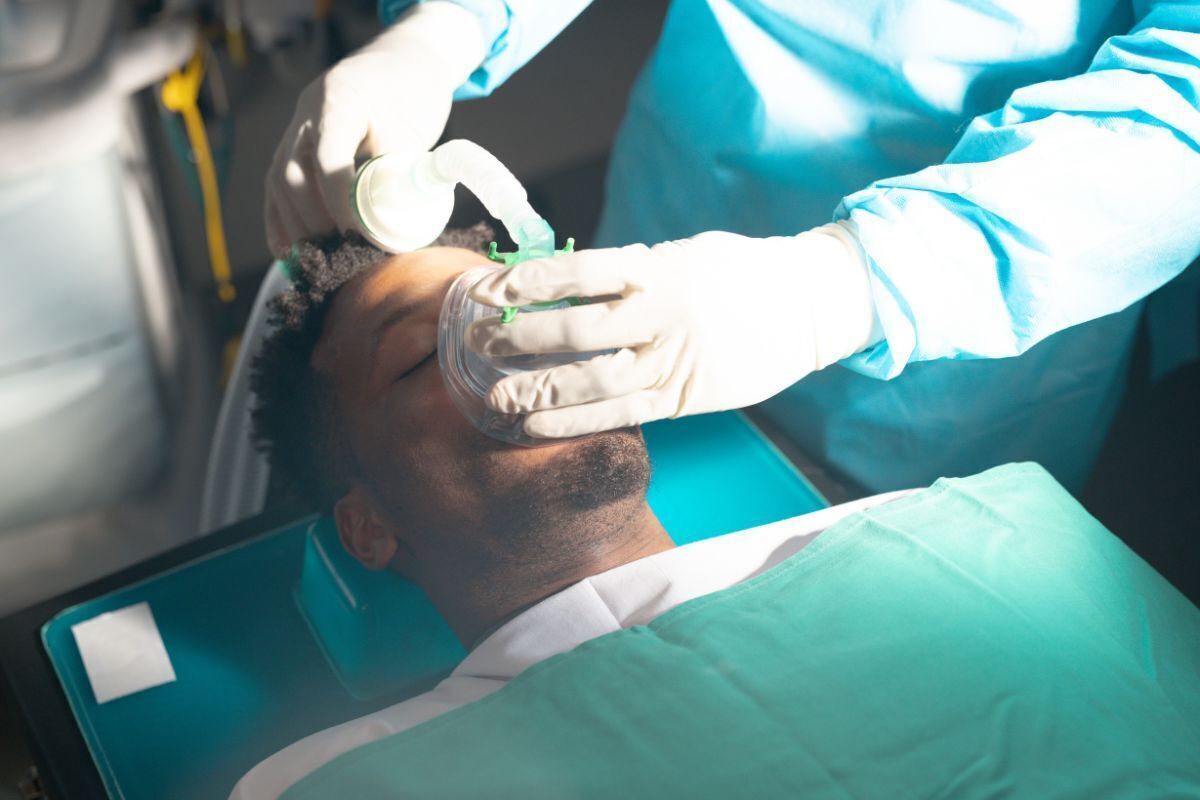
Dental treatment can feel stressful when you don’t know what to expect. For some patients, the hardest part isn’t the procedure itself—it’s managing anxiety before sitting in the dental chair.
Sedation dentistry in Grand Rapids may be an option for appropriate patients who feel nervous about dental care or need help remaining comfortable during certain procedures.
The first step is understanding what sedation does, what it doesn’t do, and how to prepare.
What Is Dental Sedation?
Dental sedation uses medication or other techniques to help a patient feel calmer and more comfortable during dental care.
Sedation is not the same thing as general anesthesia. Depending on the method used, a patient may remain awake and able to communicate with the dental team.
The type of sedation appropriate for you depends on factors such as your health history, medications, anxiety level, procedure, and the dentist’s clinical judgment.
That makes a pre-treatment consultation important.
Who May Benefit From Sedation Dentistry?
Sedation may be considered for patients who experience significant dental anxiety or have difficulty tolerating dental procedures.
It may also be discussed when a patient has a strong gag reflex, difficulty sitting comfortably for longer appointments, or needs multiple procedures completed.
Sedation isn’t automatically necessary for every nervous patient. Some people benefit from simple communication, breaks, a slower appointment pace, or other comfort measures.
Your dentist can help determine what approach makes sense for your situation.
What Happens Before Sedation?
Preparation starts before the appointment.
Your dental team may ask about:
- Current medications
- Allergies
- Medical history
- Previous experiences with anesthesia or sedation
- Food and drink instructions
- Transportation arrangements
- The planned dental procedure
Follow the instructions provided by your dental office carefully.
If you take prescription or over-the-counter medications, don’t assume you should stop or change them before treatment. Ask your dental team what you should do.
Arrange Transportation if Required
Depending on the sedation method, you may not be able to drive yourself home afterward.
If your dentist instructs you to arrange transportation, make those plans before the appointment rather than trying to figure them out afterward.
You may also want to keep the rest of your schedule relatively light. Even when a procedure itself goes smoothly, you may prefer to rest afterward rather than immediately return to work or other demanding activities.
What Does Sedation Feel Like?
The experience varies depending on the type of sedation used.
Some patients describe feeling relaxed or drowsy. Others may feel less focused on the sights and sounds of treatment.
The purpose is to improve comfort and reduce anxiety—not to eliminate communication between you and the dental team when communication is clinically appropriate.
Your dentist should explain what you can expect from the specific sedation method being considered for you.
Does Sedation Replace Local Anesthetic?
Not necessarily.
Sedation and local anesthesia serve different purposes. Sedation primarily helps with relaxation and anxiety, while local anesthetic is used to numb the area being treated.
Your dentist will determine which forms of pain and anxiety management are appropriate for your procedure.
Ask your dental team to explain exactly what will be used and why.
What Happens After the Appointment?
Your dental team will provide post-treatment instructions based on the procedure and sedation method.
You may feel drowsy afterward, which is one reason transportation and rest may be necessary.
Don’t make assumptions about driving, working, exercising, or other activities. Follow the specific instructions provided by your dental team.
If you experience unexpected or concerning symptoms after treatment, contact your dental office or seek appropriate medical attention based on the instructions you were given.
Sedation Is Only One Part of a Comfortable Dental Experience
A comfortable dental appointment involves more than medication.
A patient-centered dental practice can also help by explaining each step, answering questions, taking breaks when appropriate, and giving patients a sense of control throughout treatment.
Tell your dental team what makes you uncomfortable.
For example, you might prefer knowing before an instrument is placed in your mouth, having a signal to request a pause, or receiving a simple explanation of what is happening next.
Those details can make a meaningful difference.
Don’t Let Anxiety Delay Necessary Dental Care
Avoiding dental visits because of anxiety can allow small problems to become larger ones.
A minor cavity may become a more complicated restoration. Gum problems can progress when left untreated. A damaged tooth may become painful or require more extensive treatment.
If dental anxiety has kept you from scheduling care, tell the dental team when you call. That information helps the practice understand your concerns before you arrive.
Knapp Dental Lodge describes its Grand Rapids approach as warm, unhurried, and patient-centered, with comprehensive dental services under one roof.
Final Thoughts
If you’re searching for sedation dentistry in Grand Rapids, start with a conversation rather than assuming sedation is the only solution.
Discuss your anxiety, medical history, medications, procedure, and comfort concerns with your dental team. Together, you can determine what type of appointment and anxiety-management approach is appropriate.
At Knapp Dental Lodge, the goal is to make dental care feel more comfortable and manageable. If anxiety has been keeping you away from the dentist, consider taking the first step by scheduling a consultation.
FAQs
What is sedation dentistry?
Sedation dentistry uses medication or other techniques to help appropriate patients feel calmer and more comfortable during dental treatment.
Will I be awake during dental sedation?
It depends on the sedation method. Some forms allow patients to remain awake and communicate with the dental team while feeling more relaxed or drowsy.
Can sedation dentistry eliminate dental pain?
Sedation primarily addresses anxiety and relaxation. Local anesthesia may also be used when numbing is needed for a procedure.
Do I need someone to drive me home after sedation?
This depends on the type of sedation used. If your dental team requires a driver, arrange transportation before your appointment.
Should I tell my dentist about medications I take?
Yes. Your dental team needs accurate information about medications, allergies, and your health history to determine appropriate treatment and sedation options.