3152 Peregrine Drive NE Suite 200 Grand Rapids, MI 49525

A damaged tooth doesn’t always need a crown. Depending on how much healthy tooth structure remains, a filling, bonding, or another restoration may be enough. But when a tooth has become significantly weakened, a dental crown can provide the coverage and support it needs.
For patients searching for crowns in Grand Rapids, understanding when a crown is recommended can make the treatment decision much easier. The right restoration depends on the condition of the tooth, its location, your bite, and your overall oral health.
What Is a Dental Crown?
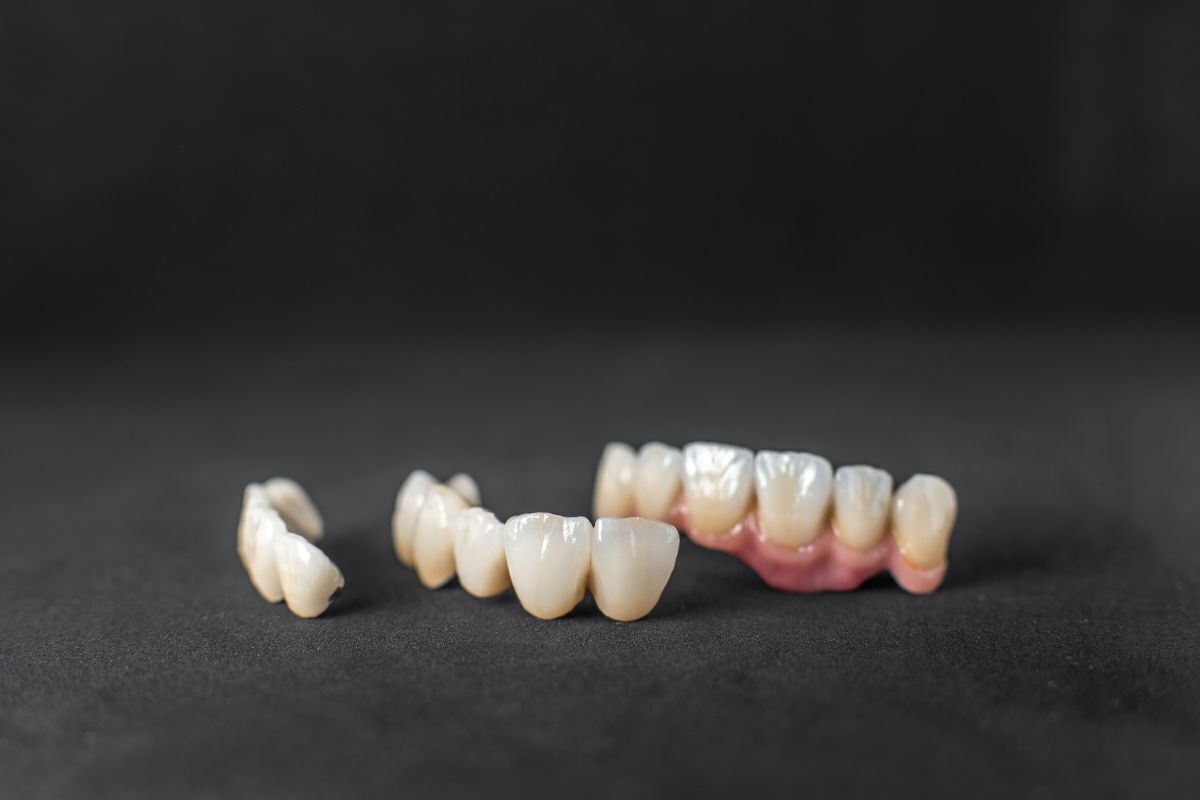
A dental crown is a custom-made restoration that covers the visible portion of a tooth.
Unlike a filling, which replaces a smaller area of missing tooth structure, a crown surrounds the tooth to provide additional protection and restore its shape and function.
Crowns can be used for both restorative and cosmetic purposes. A severely weakened tooth may need one for protection, while a misshapen or significantly discolored tooth may benefit from a crown when structural restoration is also needed.
At Knapp Dental Lodge, crown options include Emax, BruxZir, and Diazir materials, allowing the restoration to be selected according to the tooth and patient’s needs.
5 Situations When a Crown May Be Recommended
1. The Tooth Has Extensive Decay
A small cavity can often be repaired with a filling. But when decay affects a large portion of the tooth, there may not be enough healthy structure left to support a traditional filling.
A crown can cover the remaining tooth and help restore its strength and function.
Your dentist will evaluate the amount of remaining healthy tooth structure before recommending full coverage.
2. The Tooth Is Cracked or Fractured
Cracks can weaken a tooth and make it vulnerable to further damage.
Not every cracked tooth requires a crown, and the location and severity of the crack matter. If the tooth can be saved but needs additional structural support, a crown may be recommended.
If you experience pain when biting, sensitivity, or a visibly damaged tooth, schedule an evaluation rather than waiting for the problem to worsen.
3. A Large Filling Has Weakened the Tooth
Older teeth sometimes contain large fillings that leave relatively little natural structure surrounding them.
Even when the filling itself is still present, the remaining tooth may be vulnerable to fracture. A crown can provide full coverage and reinforce the tooth.
This is one reason dentists sometimes recommend a crown even when a patient isn’t experiencing significant pain.
4. The Tooth Has Significant Wear
Grinding, clenching, acid erosion, and other factors can gradually wear down teeth.
A heavily worn tooth may become shorter, thinner, or more vulnerable to damage. Depending on the condition of the tooth, a crown may help restore its shape and function.
If you grind your teeth, tell your dentist. Addressing the forces contributing to tooth wear is an important part of protecting restorations.
5. A Dental Implant Needs a Restoration
A dental implant replaces the root portion of a missing tooth. A custom crown can then be attached to the implant to replace the visible portion of the tooth.
Implant crowns are different from traditional crowns placed over natural teeth, but both restore the visible tooth structure.
What Happens During the Crown Process?
Getting a crown typically involves several stages.
Step 1: Examination and Planning
Your dentist examines the tooth and may use X-rays or other diagnostic tools to determine whether a crown is appropriate.
The discussion may include the condition of the tooth, available crown materials, appearance, function, and expected care.
Step 2: Preparing the Tooth
The tooth is carefully shaped so the crown can fit securely without interfering with your bite.
Local anesthesia is used when appropriate to keep the procedure comfortable.
Step 3: Temporary Protection
After preparation, impressions or digital information are used to create the permanent restoration. A temporary crown may protect the tooth while the final crown is being fabricated.
Step 4: Permanent Crown Placement
At the final appointment, your dentist checks the crown’s fit, color, shape, and bite.
Adjustments can be made before the crown is permanently secured.
Knapp Dental Lodge describes this process as evaluation, tooth preparation, impressions and temporary crown placement, followed by final placement.
How Long Do Dental Crowns Last?
A crown isn’t designed to last forever, but a well-maintained restoration can provide many years of service.
Knapp Dental Lodge notes that porcelain crowns can commonly last around 10 to 15 years or longer, depending on the material, location, oral hygiene, bite forces, and daily habits.
The best way to protect a crown is to continue caring for it like a natural tooth.
Brush twice a day, clean between your teeth, attend regular dental appointments, and avoid habits that can damage restorations.
What If a Crown Comes Loose?
A loose or dislodged crown should be evaluated by a dentist.
Don’t try to permanently glue it back yourself. The underlying tooth may need to be examined to determine why the crown became loose.
Until you’re evaluated, avoid chewing hard foods on that side and contact your dental office for guidance.
Choosing the Right Crown Material
There isn’t one crown material that’s perfect for every tooth.
Appearance may be particularly important for a front tooth, while strength and resistance to heavy chewing forces may carry greater importance for a back tooth.
Knapp Dental Lodge offers multiple crown systems and considers the location of the tooth, clinical needs, aesthetics, and patient preferences when selecting a restoration.
Protect Your Natural Teeth Before They Need Crowns
The best crown is often the one you never need.
Regular examinations allow your dentist to identify decay, cracks, worn fillings, and other problems before they become more extensive. Preventive care and timely treatment can sometimes reduce the amount of tooth structure that needs to be restored.
If you’re experiencing a damaged or weakened tooth, don’t wait for severe pain before seeking an evaluation.
Conclusion
A dental crown can do more than improve the appearance of a damaged tooth. When appropriately recommended, it can restore function and provide protection to a tooth that has lost significant strength.
If you’re searching for crowns in Grand Rapids, the first step is determining whether a crown is actually the right restoration for your tooth.
Knapp Dental Lodge can evaluate your tooth, explain your options, and help you understand which restoration best fits your needs.
FAQs
How do I know if I need a dental crown?
A crown may be recommended when a tooth has extensive decay, a large filling, significant cracks, severe wear, or insufficient structure for another restoration. Your dentist must evaluate the tooth to determine the appropriate treatment.
Does getting a crown hurt?
Local anesthesia is used during tooth preparation when appropriate. Some patients may experience temporary sensitivity afterward, but your dental team can provide instructions for managing it.
How long does a dental crown last?
Many crowns can last 10 to 15 years or longer with proper care, although longevity varies based on the material, tooth location, bite, hygiene, and habits.
Can a crown look like a natural tooth?
Yes. Modern dental crowns can be custom-made to match the color, shape, and proportions of surrounding teeth.
What should I do if my crown falls out?
Contact your dentist promptly. Avoid trying to permanently recement the crown yourself, and follow your dental team’s instructions until you can be evaluated.