3152 Peregrine Drive NE Suite 200 Grand Rapids, MI 49525


Deciding to get veneers is a bigger step than scheduling a teeth-whitening appointment. Veneers can dramatically change the appearance of your smile, but the treatment also requires careful planning because the tooth surface may need to be prepared.
If you’re researching veneers in Grand Rapids, understanding what happens before the final veneers are bonded can help you make a more informed decision.
At Knapp Dental Lodge, porcelain veneers are custom-designed around factors such as tooth shape, shade, number of teeth being treated, and the patient’s smile goals.
Step 1: Start With a Cosmetic Consultation
The process begins with a conversation.
Your dentist needs to understand what you dislike about your smile and what you hope to change.
You might be concerned about stained teeth, uneven edges, small gaps, worn teeth, or tooth proportions.
During the consultation, your dentist also evaluates the health of your teeth and gums. This helps determine whether veneers are appropriate or whether another treatment would make more sense.
Step 2: Evaluate Your Oral Health
Veneers are cosmetic restorations, but the teeth underneath still need to be healthy.
Your dentist may evaluate:
- Tooth decay
- Gum health
- Existing fillings
- Tooth structure
- Bite alignment
- Signs of grinding or clenching
- Existing dental restorations
If an underlying problem needs attention, it may be addressed before veneer treatment begins.
This isn’t an unnecessary delay. It helps establish a healthier foundation for the final result.
Step 3: Discuss the Look You Want
“Natural” means different things to different people.
Some patients want subtle improvements that are difficult for others to notice. Others want a more dramatic smile transformation.
Your dentist should discuss factors such as:
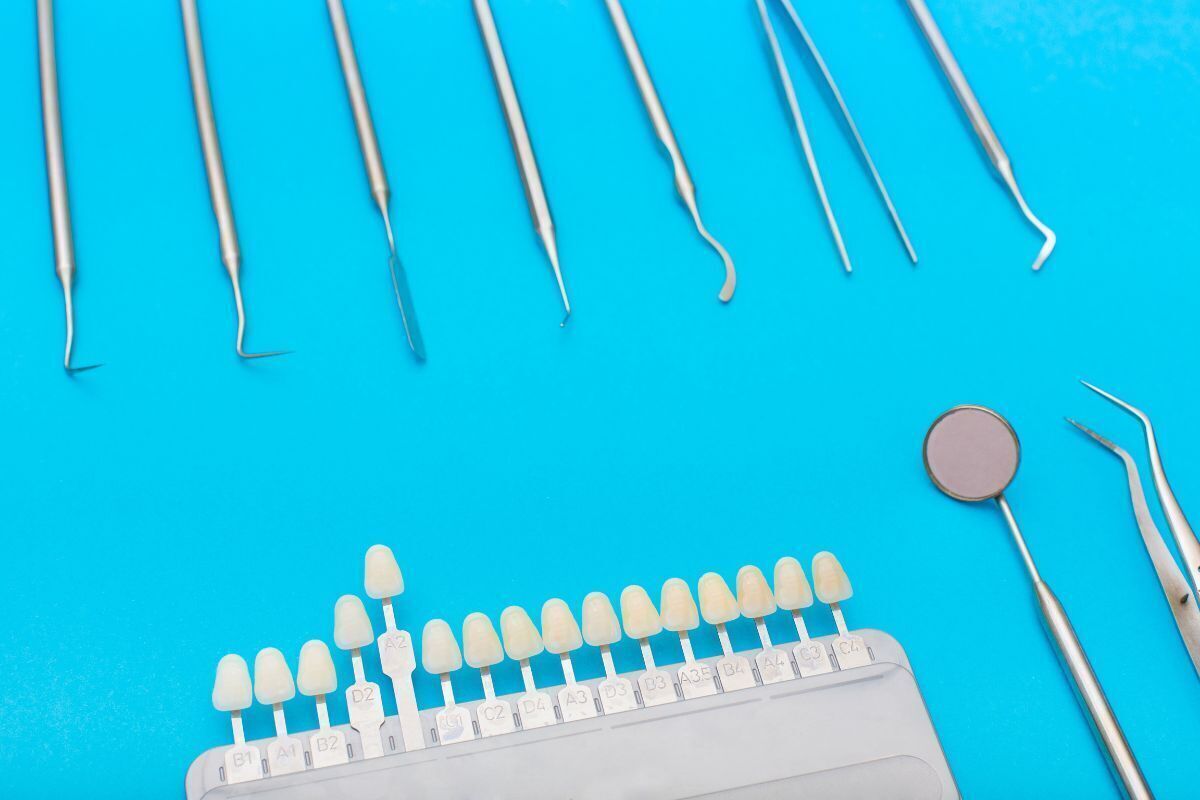
- Tooth shade
- Tooth length
- Tooth shape
- Number of veneers
- Smile symmetry
- Relationship between veneers and neighboring teeth
At Knapp Dental Lodge, Emax porcelain is used for veneers because of its strength, translucency, and ability to mimic natural enamel.
Step 4: Determine How Many Veneers You Need
You don’t automatically need a veneer on every visible tooth.
Some patients may need only one or two veneers to correct a specific cosmetic issue. Others may choose multiple veneers to create a more comprehensive change across the smile.
The number depends on what you’re trying to accomplish and which teeth show when you smile.
Your dentist can recommend an appropriate treatment plan based on your goals and anatomy.
Step 5: Prepare the Teeth
Veneer preparation involves carefully creating space for the restoration.
Knapp Dental Lodge describes removing a small, precise amount of enamel from the front surface of the teeth before temporary veneers are placed.
Because enamel does not grow back, this is an important part of the decision.
Patients should understand the long-term commitment before choosing veneers.
Step 6: Wear Temporary Veneers
Temporary veneers can protect prepared teeth while permanent restorations are being made.
They also give you an opportunity to experience the general feel and appearance of your planned smile before the final restorations are placed.
During this period, follow your dentist’s instructions carefully.
Temporary restorations aren’t designed to be treated exactly like permanent veneers, so avoid unnecessarily hard or sticky foods if your dental team advises you to do so.
Step 7: Your Permanent Veneers Are Fabricated
Your impressions or digital records are used to create custom veneers.
Knapp Dental Lodge states that its Emax veneers are custom-fabricated by a dental laboratory, with fabrication typically taking one to two weeks.
Laboratory fabrication allows the restorations to be carefully designed for the individual tooth.
Step 8: Try-In and Final Placement
When your permanent veneers are ready, your dentist checks their fit, color, shape, and overall appearance.
This is an important quality-control step.
Your dentist also checks your bite to ensure the restorations function comfortably.
Once everything is approved, the veneers are bonded permanently to the prepared teeth.
What Does It Feel Like After Veneers?
Some patients experience temporary sensitivity after tooth preparation.
Your teeth may also feel different at first because their shape and surface have changed.
As you adjust to your new smile, pay attention to anything that feels unusual or uncomfortable and let your dentist know.
A small adjustment can sometimes make a meaningful difference in comfort.
How Do You Protect Your Veneers?
Veneers require normal oral hygiene.
Brush twice daily, floss regularly, and maintain routine dental appointments.
You should also avoid using your teeth as tools or biting extremely hard objects such as ice.
If you grind or clench, discuss it with your dentist. Knapp Dental Lodge notes that a nightguard may be recommended in appropriate situations to protect veneers.
Can Veneers Stain?
Emax porcelain is highly stain-resistant because of its dense, non-porous surface.
However, the bonding material around the edges can discolor over time.
Regular professional cleanings and good home care can help maintain the appearance of your smile.
Veneers Are a Long-Term Decision
One of the most important things to understand before treatment is that veneers aren’t simply a temporary cosmetic accessory.
Because enamel is typically altered during preparation, the treatment is considered permanent even though the veneers themselves may eventually need replacement.
Knapp Dental Lodge states that properly cared-for Emax veneers can last well over a decade.
Conclusion
If you’re considering veneers in Grand Rapids, don’t focus only on the final photograph.
The consultation, health evaluation, smile design, tooth preparation, laboratory process, fitting, and aftercare all contribute to the result.
Understanding each stage gives you a clearer idea of what’s involved and helps you decide whether veneers fit your goals.
Knapp Dental Lodge can evaluate your smile and discuss whether porcelain veneers or another cosmetic treatment is the right option for you.
FAQs
How long does the veneer process take?
The total timeline varies. At Knapp Dental Lodge, the permanent Emax veneers are typically fabricated by a dental laboratory within one to two weeks after preparation and impressions.
Do dentists remove enamel for veneers?
Typically, a small amount of enamel is removed to create space for the veneer. The amount depends on the individual treatment plan.
Can I get only one veneer?
Yes. Some patients need only one veneer to address a specific cosmetic concern, while others may benefit from several veneers.
How long do porcelain veneers last?
With proper care, Emax porcelain veneers can last well over a decade, although individual longevity varies.
Can I whiten veneers?
Whitening products primarily affect natural tooth structure and do not whiten porcelain veneers in the same way. Discuss whitening before veneer treatment if you are considering both.