3152 Peregrine Drive NE Suite 200 Grand Rapids, MI 49525

A damaged tooth does not always need extensive treatment. Sometimes a filling is enough. In other cases, the tooth needs more protection than a filling can provide. That is where crowns may become part of the treatment plan.
A dental crown is a custom-made restoration that covers and protects a tooth while restoring its shape and function. For patients in Grand Rapids, understanding when a crown may be recommended can make dental treatment feel much more straightforward.
What Is a Dental Crown?
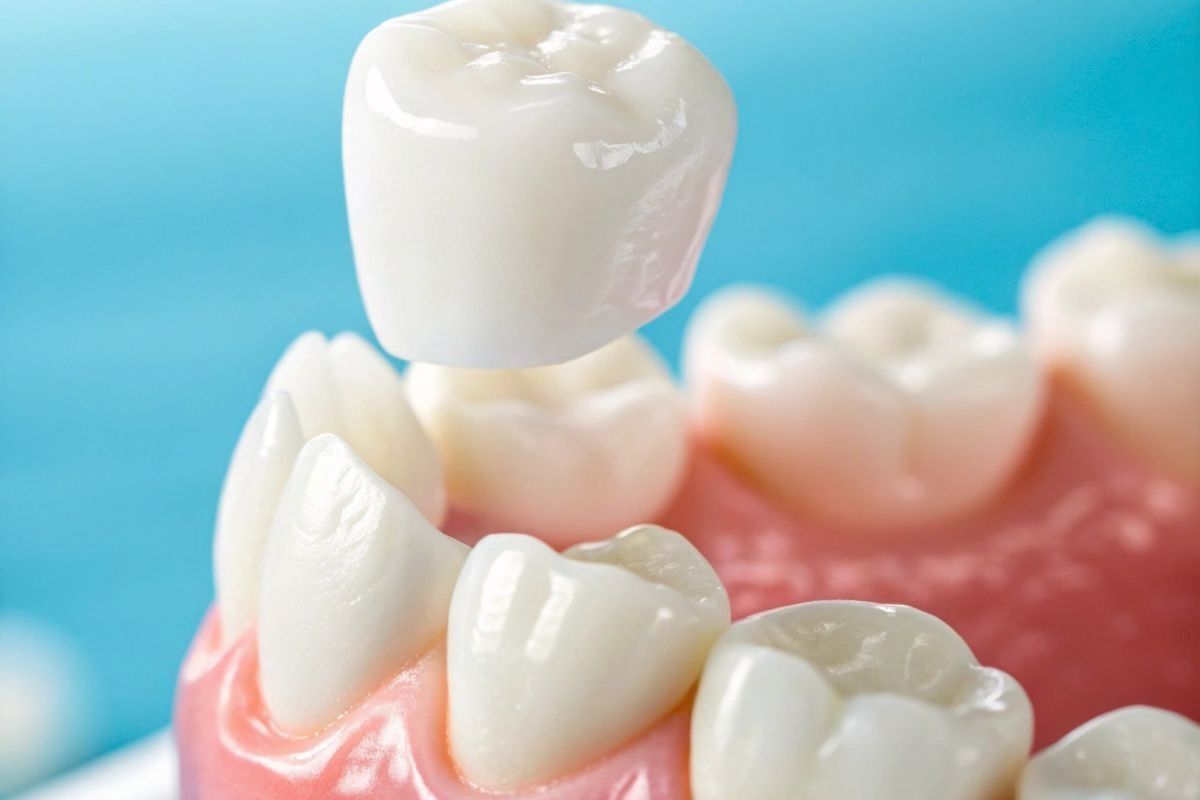
A crown is a restoration designed to fit over a prepared tooth. Unlike a filling, which repairs a specific area of damage, a crown covers most of the visible portion of the tooth.
The goal is to reinforce a tooth that has lost significant structure while helping it function normally. Crowns can also be used to improve the appearance of certain teeth when appropriate.
At Knapp Dental Lodge, crown treatment is planned around the condition of the tooth, your oral health, and your individual needs.
When Might a Tooth Need a Crown?
There are several situations in which a dentist may recommend a crown.
Extensive Tooth Decay
When decay has damaged a large portion of a tooth, there may not be enough healthy tooth structure left to support a traditional filling.
A crown can provide additional coverage and protection after the damaged portion has been treated.
Cracked or Fractured Teeth
A tooth with a significant crack may require additional protection. Depending on where the crack is located and how extensive it is, a crown may help hold the remaining tooth structure together.
Not every cracked tooth can be treated with a crown, however. A dental examination is important to determine whether the tooth can be predictably restored.
Large Existing Fillings
Large fillings can restore teeth successfully, but a tooth with a substantial filling may have less remaining natural structure.
If the tooth becomes weakened or damaged, a crown may be recommended to provide greater coverage.
Significant Tooth Wear
Teeth can become worn over time from normal use, certain habits, grinding or clenching, and other factors.
When substantial tooth structure has been lost, a crown may sometimes be considered as part of a larger restorative treatment plan.
Restoring an Implant
A crown can also serve as the visible replacement tooth attached to a dental implant.
Implant crowns are different from traditional crowns because they are supported by an implant rather than a natural tooth root.
Crown vs. Filling: What Is the Difference?
One of the most common questions patients have is why a dentist would recommend a crown instead of another filling.
The answer usually comes down to how much healthy tooth structure remains.
A filling replaces a portion of the tooth that has been lost to decay or damage. A crown covers the tooth more extensively and can provide additional structural protection.
The decision should not be based simply on the size of a cavity. Your dentist also considers the tooth’s condition, location, remaining structure, bite, previous restorations, and long-term outlook.
What Happens During Crown Treatment?
The process typically begins with an examination and treatment planning.
Your dentist evaluates the tooth and determines whether a crown is appropriate. If treatment proceeds, the tooth is prepared so the crown can fit properly.
Impressions or digital information are used to create the restoration. A temporary crown may be placed while the permanent crown is being fabricated.
At the final appointment, the permanent restoration is checked for fit, appearance, and bite before being placed.
The exact process can vary depending on the tooth and type of restoration being used.
What Types of Crowns Are Available?
Different materials can be used for dental crowns.
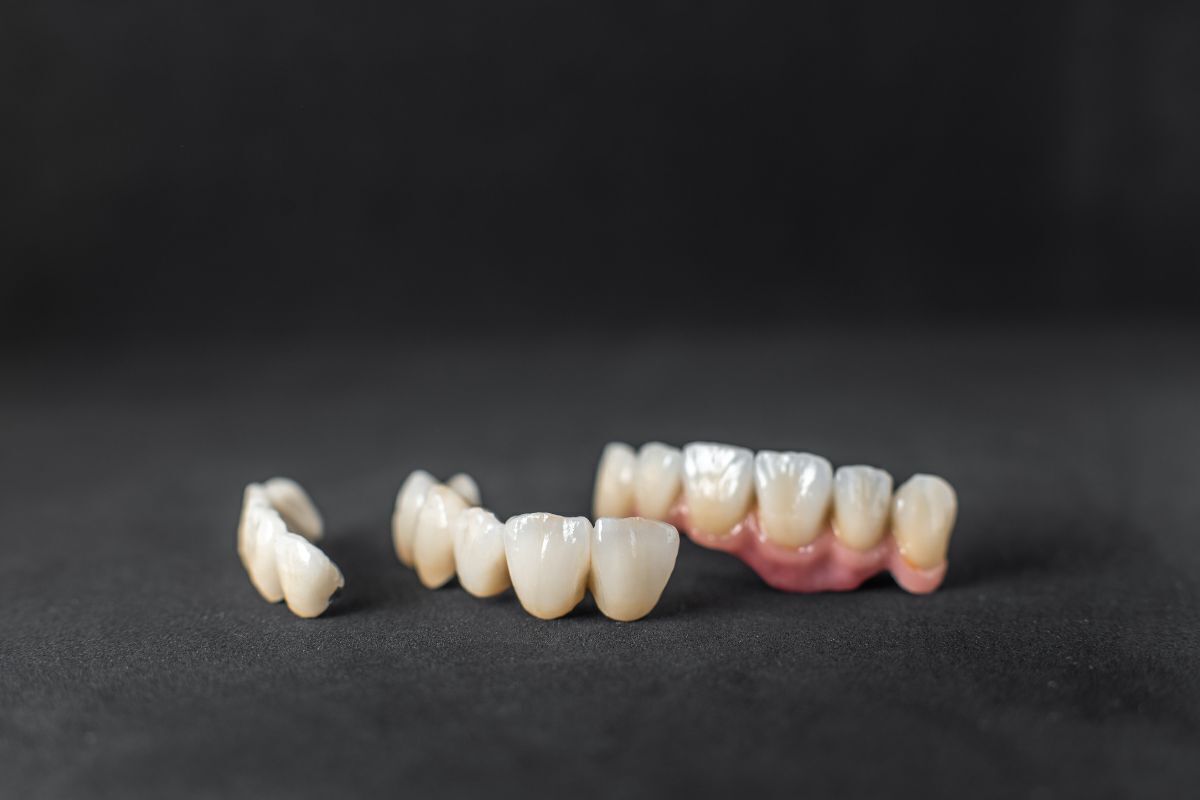
Knapp Dental Lodge offers options including Emax, BruxZir, and Diazir, depending on the clinical situation and location of the tooth.
Material selection is not simply a cosmetic decision. Strength, appearance, bite forces, tooth location, and other factors can all influence which option makes sense.
Your dentist can explain the advantages and limitations of the available materials before treatment.
How Long Can a Crown Last?
A crown is not considered a lifetime restoration. However, with appropriate care, a well-maintained crown can provide many years of service.
Knapp Dental Lodge notes that porcelain crowns can last 10–15 years or longer, depending on factors such as the material, location, oral hygiene, and personal habits.
Regular dental examinations can help identify problems with a restoration before they become more significant.
How Should You Care for a Crown?
A crowned tooth still needs regular care.
You should:
- Brush twice a day with fluoride toothpaste.
- Clean between your teeth every day.
- Continue regular dental examinations and professional cleanings.
- Avoid using your teeth to open packages or bite hard objects.
- Follow any specific instructions provided by your dental team.
Remember that the tooth underneath a crown can still develop decay if oral hygiene is neglected.
When Should You Talk With a Dentist?
If you have a cracked, heavily restored, worn, or significantly damaged tooth, it is worth having it evaluated rather than waiting for the problem to become painful.
Pain is not always a reliable indicator of how serious a tooth problem is. Some dental damage can progress without obvious symptoms.
For patients looking for restorative dental care in Grand Rapids, Knapp Dental Lodge can evaluate the tooth and explain appropriate treatment options.
FAQs About Crowns
Are crowns only used for severely damaged teeth?
No. Crowns can be used for several reasons, including extensive decay, fractures, large fillings, significant wear, and implant restoration.
Does getting a crown hurt?
The tooth is typically numbed during preparation. Your dental team can also discuss comfort options based on your needs.
How long do crowns last?
Longevity varies. With proper care, porcelain crowns may last 10–15 years or longer, although individual results differ.
Can a crown get a cavity?
The crown itself does not decay, but the natural tooth around or beneath the restoration can develop decay if it is not properly maintained.
How do I know if I need a crown?
Only a dental examination can determine whether a crown is appropriate. Your dentist will evaluate the amount of remaining tooth structure and the overall condition of the tooth.